



Community Health Education
Located within Sault Tribe’s Community Health Department, Health Education develops and implements effective health promotion and chronic disease prevention programs in order to increase the health of individuals, families, and communities across the Sault Tribe’s seven county service area. Health Education staff focus on promoting, maintaining and restoring the health of our community members through the delivery of research-based health educational opportunities while honoring traditional tribal practices. Some of Health Education’s current programs include:
Nicotine Dependence Program (NDP): Tobacco (asemaa) is a sacred medicine to the Anishnaabe people. When tobacco is abused in ways such as smoking or chewing, it can cause serious illnesses, disease, and even death. Through Health Education’s Nicotine Dependence Program, Tobacco Treatment Specialists provide 1 on 1 cessation services for individuals wanting to quit using commercial tobacco products. Health education also focuses on reducing youth access to tobacco as well as helping create tobacco/smoke free environments.
Medical Fitness Program: Physical activity is an important part of a healthy lifestyle. Community Health Education’s Medical Fitness Program is a referral-based program designed to help patients with chronic medical conditions safely incorporate physical activity as part of a healthy lifestyle; to lower risk factors, and to promote good health and wellness. Exercise Physiologist work 1 on 1 with referred patients to assess current level of fitness and develop a personalized exercise prescription to help patients navigate the best course of action to meet their unique goals.
Tribal Food Sovereignty: As proper nutrition plays a vital role to an individual and community’s health, increasing access to healthy, local traditional foods is also a priority for Community Health Education. Health Education partners with our local coalitions and our Tribal Food Sovereignty Collaborative to connect, promote and build local food systems through education, youth engagement, cultural tradition and modern sustainability. Some examples of our educational endeavors include gardening workshops, farmers’ markets, canning and preserving classes, intergenerational gardening, manoomin (wild rice) teachings and indigenous seed saving workshops.
For more information or to access services, please contact Sault Tribe Community Health’s main office at (906) 632-5210.
Click here for the Nicotine Dependence Program brochure
Locations for this service:
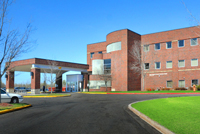
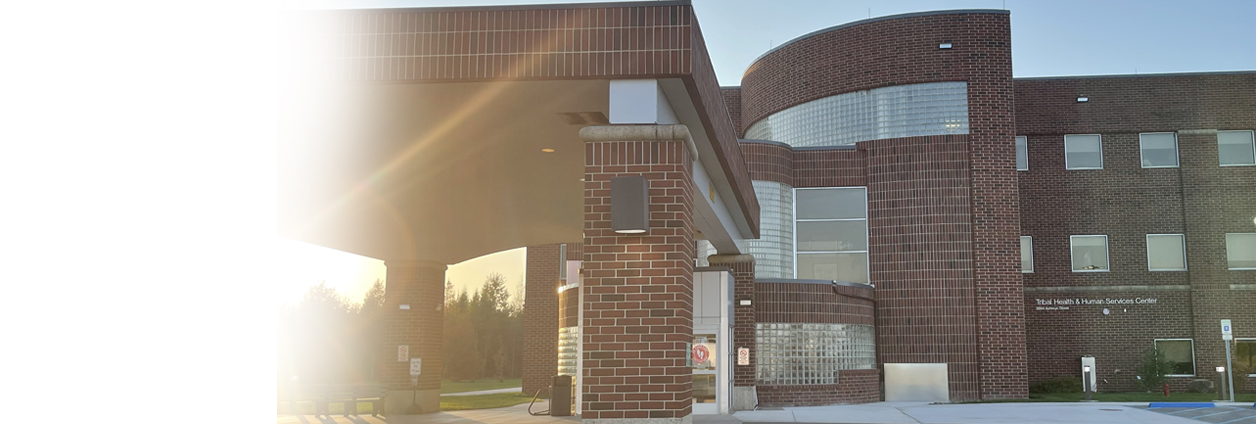
Sault Ste. Marie Tribal Health Center
2864 Ashmun Street
Sault Ste. Marie , MI 49783
Phone: (906) 632-5200
Fax: (906) 632-5228






Copyright ©2026 Sault Ste. Marie Tribe of Chippewa Indians and the Sault Tribe Health Division. All Rights Reserved. | Login